
Glass Juliet balconies offer an elegant solution for homeowners seeking to enhance both natural light and style.
These transparent structures not only create an airy atmosphere but also provide unobstructed views of the surroundings. With various design options available, they can be tailored to complement any architectural style.
However, the benefits extend beyond aesthetics. Exploring the full range of advantages reveals how these balconies can transform a living space.
Although architectural styles vary widely, glass Juliet balconies consistently enhance the visual appeal of both modern and traditional buildings. Their sleek, transparent design allows for unobstructed views, creating an illusion of spaciousness while seamlessly blending with various facades.
The reflective surface of the glass captures light, further accentuating architectural details and colors. These balconies serve as elegant accents, adding sophistication and charm to residential and commercial properties alike.
By incorporating glass Juliet balconies, designers elevate the overall aesthetic, fostering a sense of openness and connection to the outdoors, ultimately enriching the architectural landscape with their contemporary elegance.
Glass Juliet balconies not only enhance aesthetic appeal but also play a significant role in maximizing natural light within a space. By incorporating expansive glass panels, these balconies allow sunlight to flood interiors, creating a bright and inviting atmosphere.
Natural light has been shown to improve mood, enhance productivity, and promote overall well-being. Additionally, maximizing sunlight can reduce the need for artificial lighting, leading to energy savings and a lower environmental impact.
Moreover, increased natural light can highlight architectural features and furnishings, adding depth and dimension to a room, thereby elevating the overall living experience and enhancing property value.
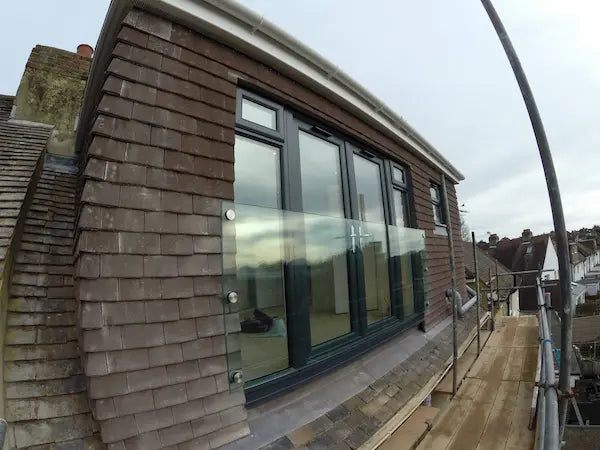
When considering the design options for a Juliet balcony, homeowners can choose from a variety of styles and materials that best suit their architectural aesthetics and functional needs. Common materials include glass, metal, and wood, each offering distinct visual and structural characteristics.
Frameless glass designs provide an unobstructed view and a modern look, while framed options can enhance traditional architecture.
Customizable railings and finishes allow for personal expression, integrating seamlessly with existing structures. Additionally, incorporating decorative elements or patterns can add unique charm. Ultimately, the design should balance beauty with safety and compliance with local building regulations.
To enhance the indoor-outdoor flow of a home, a Juliet balcony serves as an ideal architectural feature that bridges the gap between interior spaces and the exterior environment.
This design element allows natural light to flood into rooms while offering unobstructed views of the outside. By incorporating a glass Juliet balcony, homeowners can create a seamless connection between their living areas and outdoor vistas, encouraging a sense of openness.
The addition of such a balcony can transform a conventional room into an inviting space that promotes relaxation and enjoyment of nature, ultimately enhancing the overall ambiance of the home.
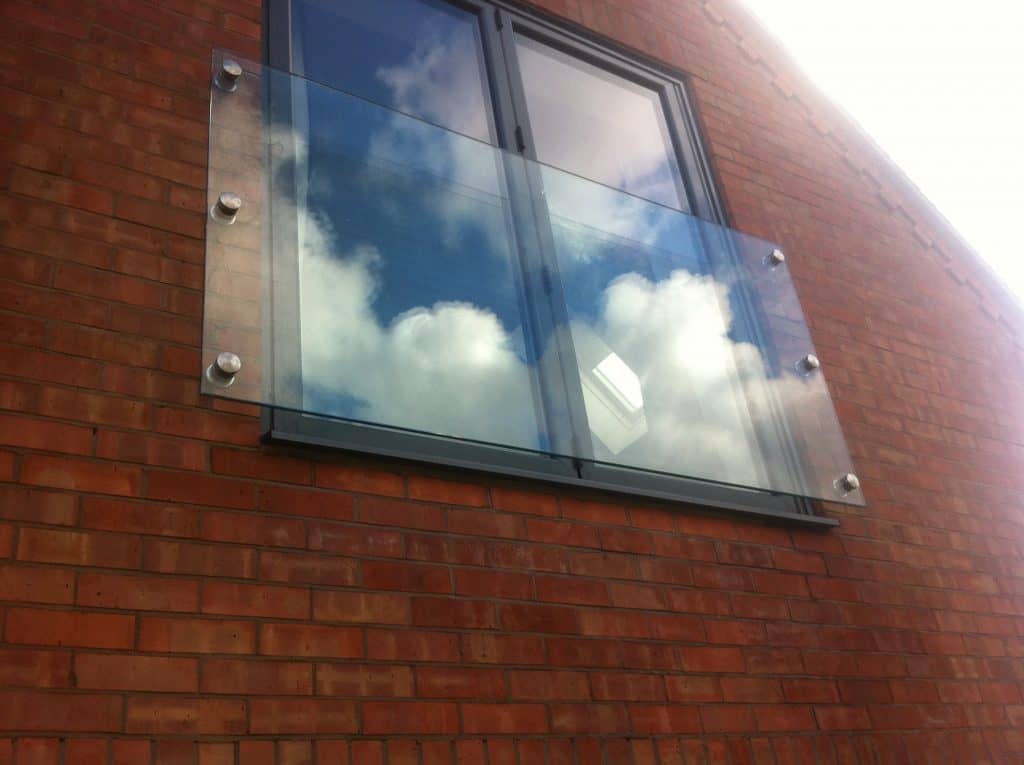
Incorporating a Juliet balcony not only enhances the aesthetic appeal of a home but also raises important safety considerations. Safety glass, typically used in these designs, is vital for preventing breakage and ensuring durability.
Railings must meet local building codes, providing sufficient height and strength to prevent falls. Additionally, proper installation is essential to maintain structural integrity. Homeowners should consider the balcony's location and the potential impact of wind or weather conditions.
Regular inspections can help identify any wear or damage, ensuring that the balcony remains a safe and stylish addition to the home.
While glass Juliet balconies offer a stunning visual element to a home, routine maintenance is essential for ensuring their longevity and safety.
Regular cleaning is vital; using a mild detergent and a soft cloth can help maintain clarity and shine. Inspecting the structure for any signs of wear or damage, such as cracks or loose fittings, should be done periodically.
Additionally, ensuring proper drainage can prevent water accumulation, which may lead to structural issues. Finally, applying a protective sealant every few years can help guard against weathering, preserving the beauty and integrity of the glass balcony for years to come.
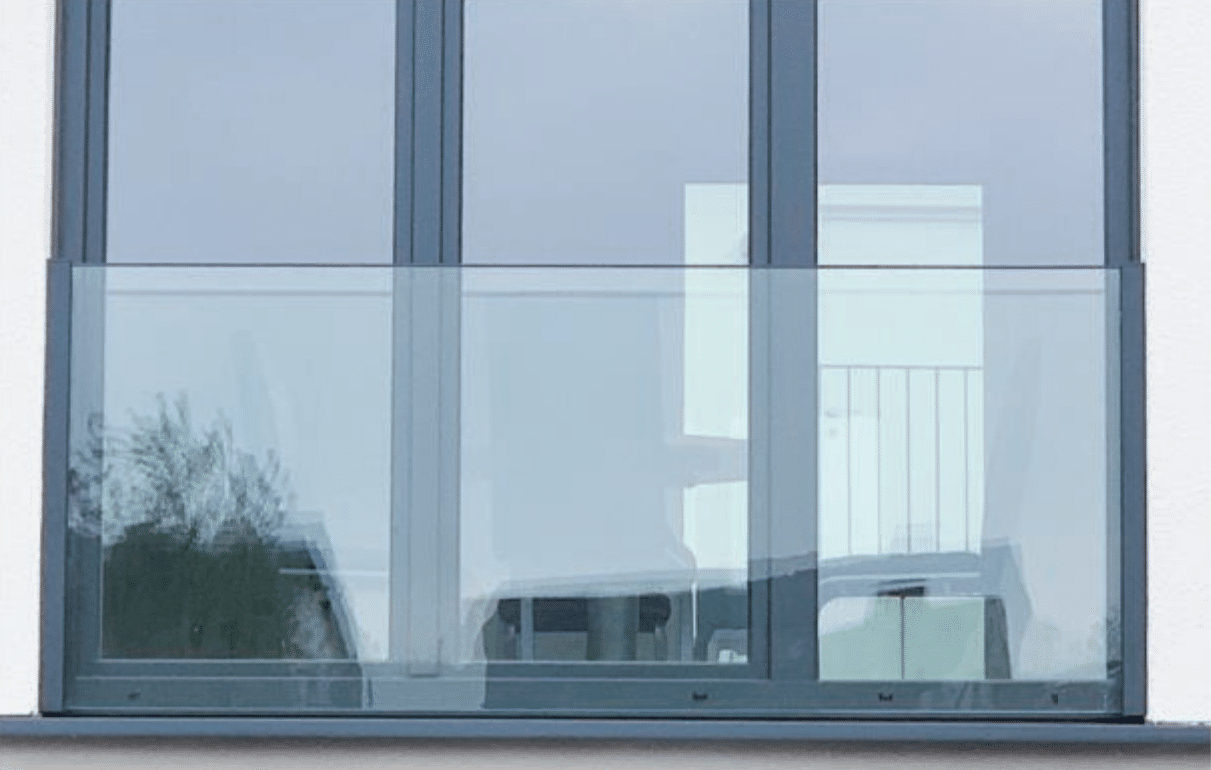
Glass Juliet balconies can be suitable for various climates, but their effectiveness largely depends on the specific environmental conditions. In temperate climates, they offer aesthetic appeal and functionality without major issues. However, in regions with extreme weather, such as heavy snowfall or high winds, additional considerations for structural integrity and safety may be necessary. Proper installation and materials can enhance their durability, making them a viable option across a range of climates.
The average cost of installing a glass Juliet balcony typically ranges from $1,500 to $3,500. Factors influencing the price include materials, design complexity, and installation labor. Custom designs or high-end materials can increase expenses, while standard options may be more affordable. Homeowners should also consider any additional costs, such as permits and structural modifications, which may be necessary to guarantee safety and compliance with local building regulations.
Glass Juliet balconies are not universally suitable for all building types. Their installation depends on structural considerations, local building codes, and aesthetic compatibility with the architecture. While they enhance the appearance of many modern designs, older buildings or those with specific historical features may face restrictions. Additionally, safety regulations must be adhered to, ensuring that the balcony provides sufficient support and stability. Each project requires careful assessment to determine compatibility.